
When Does Being Prudent Become Being Frugal?
What if we have been measuring value for money incorrectly all along?
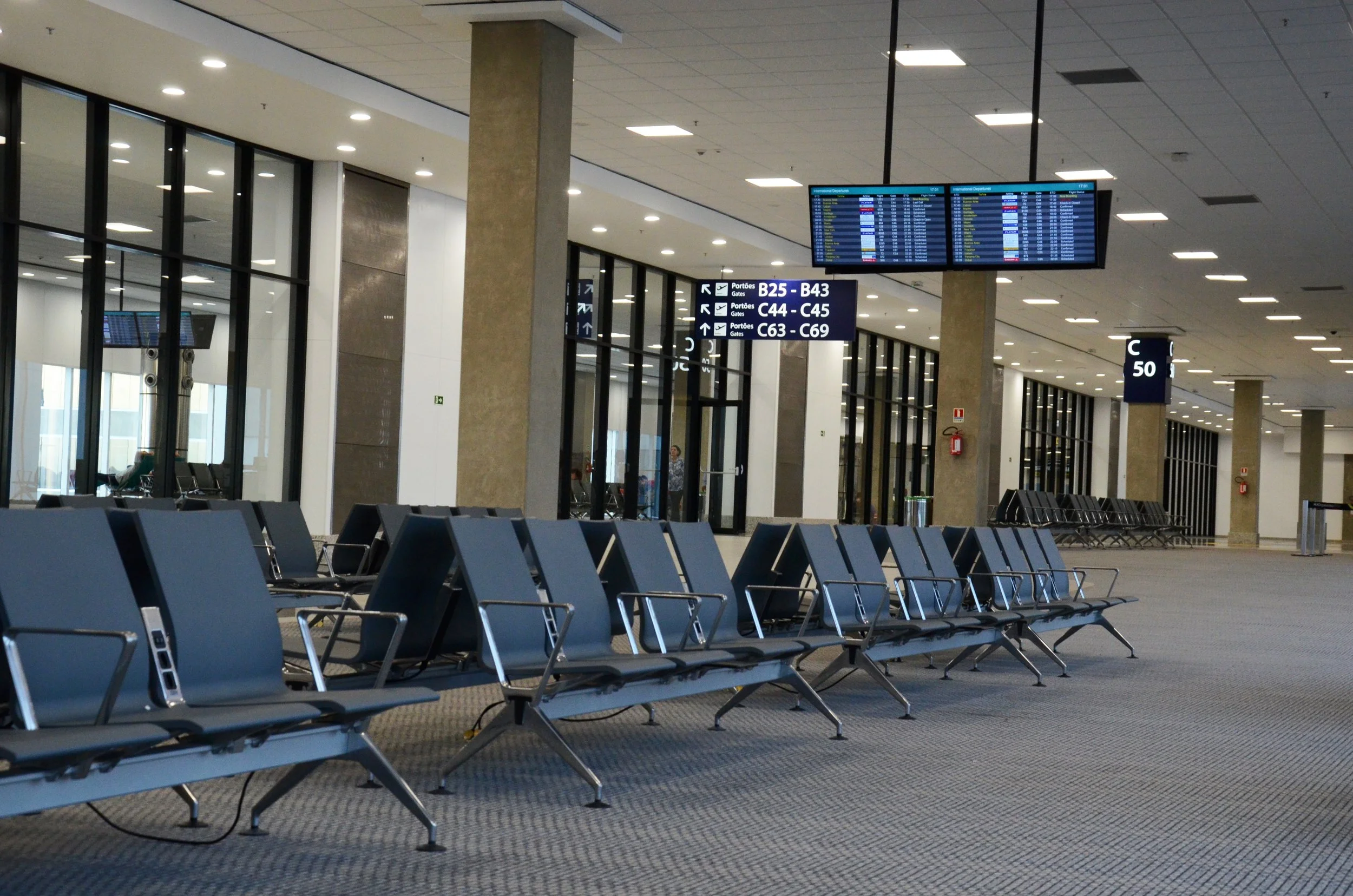
I spend my working life helping people make decisions involving pensions, investments and sometimes very substantial sums of money. Yet before a recent short holiday to Nice, I found myself giving an entirely disproportionate amount of thought to whether I should spend about £7.50 on FastTrack security at Stansted.
It wasn't going to make any meaningful difference to the cost of the holiday. Yet there I was, overanalysing it. How long would the standard queue actually be? Would FastTrack save us five minutes or half an hour? Was I simply paying for something I didn't really need?
Eventually, I bought it.
When we arrived at Stansted, I made a particular point of looking for the FastTrack entrance—having once paid for it on a previous trip, missed the lane entirely, joined the normal queue, and effectively thrown the money away. This time we found it. And it was wonderful.
Not private-jet wonderful—nobody greeted us with champagne—but we walked past most of the security queue and were waved through to the front. In reality, I doubt we saved more than 20 or 30 minutes. If you judged the purchase purely by calculating the monetary value of those minutes, you could probably make a respectable argument that I’d wasted my money.
But that is not how it felt. Instead of starting the holiday standing in a long security queue, we sailed through.
Once airside, there was a second small indulgence waiting for us: an airport lounge. Again, you can question the financial logic. You can certainly buy a cup of tea and a sandwich in the main terminal for less than the price of lounge access. And if all you are measuring is the quantity of food and drink received for each pound spent, the lounge fails the test.
Without it, though, we would probably have spent our time wandering around looking for somewhere comfortable to sit, or ended up perched on our bags near the gate. Instead, we had a quiet, comfortable start to the trip.
Something can look like poor value for money and still be excellent value for your life.
Buying the Absence of Hassle
That experience got me thinking about a habit I see frequently in financial planning—and one I am clearly not immune to myself.
Many of us have spent decades learning to be prudent. We compare prices, dislike waste, and instinctively question whether something is “worth it”. Those habits are often part of the reason people reach their 50s, 60s and 70s in a financially secure position.
But what happens when the habit remains after the financial necessity has disappeared? At what point does being prudent cross over into being frugal?
Perhaps the root of the problem is how we define "value for money". We tend to think of value as getting more for less: the cheaper flight, the cheaper hotel, or retaining a few extra pounds in our bank account.
That logic assumes money is the only thing we are spending. But we are also spending time, comfort, energy, and convenience.
We are often conditioned to ask what extra thing spending money buys us. But as time goes on, money can be equally useful for removing unpleasant things: queues and long waits, physical discomfort on a journey, inconvenient connections and three o'clock alarm calls, or spending a whole Saturday doing a job you dislike simply to save £80. Sometimes that can be money very well spent.
Two Questions
There may be a useful distinction here between prudence and frugality.
A prudent person asks:
“Is this worth the money?”
Someone trapped by an old habit asks:
“Can I avoid spending the money?”
For thirty or forty years, saving money may have been part of doing the right thing. Spending on comfort or convenience can therefore feel vaguely wrong even when you can comfortably afford it. Our financial circumstances can change much faster than the habits that created them.
When the Scarce Resource Changes
When you're younger and still building your financial security, an extra £20 can matter more than an extra hour. Later in life, if you've accumulated sufficient wealth, that calculation can begin to reverse.
Capital is no longer the scarcest resource. The truly finite assets are healthy years, energy levels, physical comfort, and unencumbered time.
Perhaps value isn't simply about how much time we buy back, either. Sometimes it matters which time we're buying back. Spending a modest sum to ensure the very first hour of a holiday begins with calm rather than irritation has a value that doesn't show up on a spreadsheet.
None of this is an argument for wild extravagance or buying luxury for the sake of it. There is great satisfaction in living modestly, taking care of your things, and avoiding waste. The line isn't between cheap and expensive. It is between choosing not to spend because something holds no value to you, and being unable to spend because decades of saving have made spending feel wrong.
Perhaps the ultimate purpose of being careful with money isn't to become exceptionally good at not spending it. It's to reach the point where you have enough freedom to decide when spending it is worthwhile.
Sometimes that might mean a wonderful holiday, helping your children, or buying yourself more free time.
And sometimes, apparently, it means spending £7.50 to walk past an airport security queue.
I'm beginning to think that was rather good value for money.
Enjoyed this article?
Tomorrow's Notes is one thoughtful email every Friday about money, time and living well.
Join free: